

Golf Tournament Photography | Professional Sports
Expert golf tournament photography capturing decisive moments on the green. Professional coverage for Events, Sports, and Real Estate clients.
Table of Contents
The Quiet Drama: Why Golf Tournament Photography Demands a Different Kind of Eye
The crowd gasps. The ball hangs in the air forever. Then the putt drops. A fist pump. A quiet smile under the visor.
But here is what most people miss.
The real story of a golf tournament happens in the silences. The deep breath before addressing the ball. The glance between caddie and player. The slow walk down the fairway where everything is decided before the next swing.
I learned this lesson fifteen years ago at my first professional tournament. I had the biggest lens. The fastest camera. I thought I was ready.
I was wrong.
Golf tournament photography is nothing like shooting football or basketball. The action moves slower but the stakes feel higher. The moments are quieter but they matter more. And if you do not understand the rhythm of the game, you will capture nothing but swings and walks.
Let me show you what separates forgettable golf photos from images that sponsors frame and players treasure.
Key Insights Box (TL;DR)
- Golf tournament photography requires patience, anticipation, and deep understanding of the game’s psychology
- The best shots happen between swings: reactions, glances, and quiet celebrations
- Professional golf photography serves multiple masters: players, sponsors, media, and real estate developers who own the courses
- Timing beats gear. Knowing where to stand beats having the biggest lens
- Events and Sports photography share skills but golf demands unique discipline
The Silent Language of the Fairway
Here is the first thing every newcomer gets wrong.
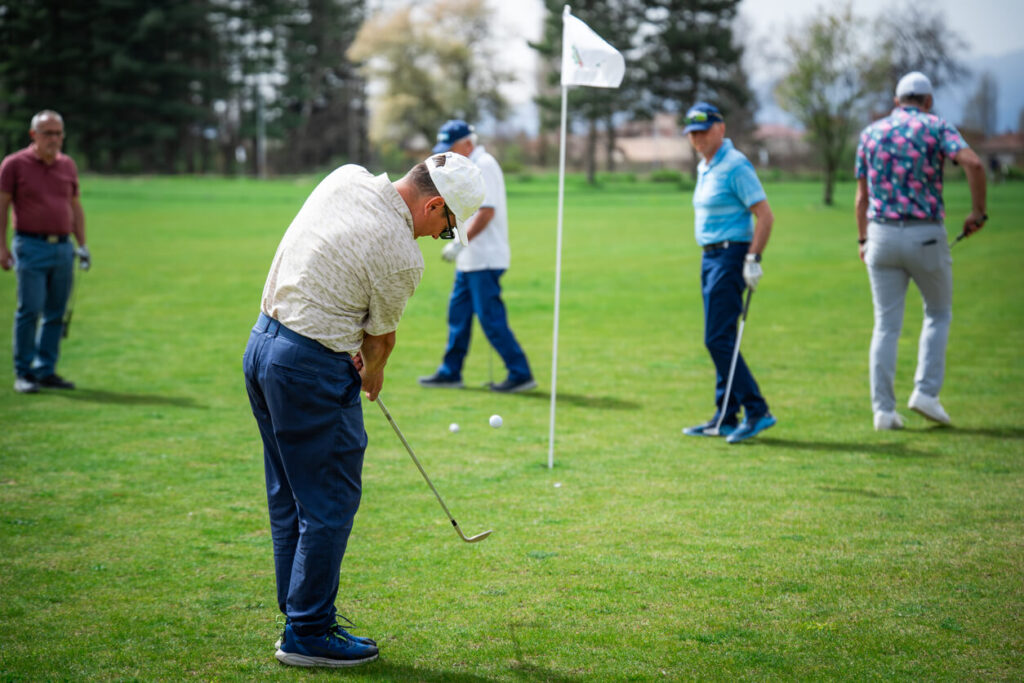
Golf looks slow on television. The broadcast fills silence with commentary and graphics. But live on the course? The tension is unbearable.
A player standing over a six foot putt for eagle. The gallery holding their breath. The only sound is wind through the trees. Then the putter moves.
Click. That is your moment.
But if you shoot during the swing, you missed it. The real shot is the face before the motion. The eyes reading the green. The practice stroke that shows intention. The quiet nod of confidence.
I spend ninety percent of any tournament watching faces, not following balls. The ball is just the result. The human behind the ball is the story.
This is why golf tournament photography rewards photographers who understand psychology as much as shutter speeds.
What Makes Golf Different From Other Sports
Let me compare golf to other Events and Sports photography so the distinction becomes clear.
| Aspect | Football / Basketball | Golf |
|---|---|---|
| Action Pace | Constant movement with predictable climaxes | Slow build with sudden, unpredictable intensity |
| Photographer Position | Sidelines with clear boundaries | Walking the course, changing angles every hole |
| Peak Moment | Ball entering goal or hoop | Face before swing, reaction after putt |
| Background Control | Crowds and arena elements | Nature, course design, sky, water features |
| Sound Considerations | Crowd noise masks shutter clicks | Silence demands silent camera modes |
| Physical Demand | Short bursts of intense activity | Six hours of walking while staying alert |
Golf asks more from a photographer than almost any other sport. You need the endurance of a marathon runner. The patience of a meditation teacher. The anticipation of a chess grandmaster.
And you need to do all of this while staying invisible. Players cannot hear you. Cannot see you. Cannot feel your presence. The moment they notice a photographer, the authentic moment dies.
The Three Stories Every Tournament Tells
Professional golf tournament photography captures three distinct narratives simultaneously.
Story One: The Competition
This is what casual fans expect. The leaderboard drama. The clutch putt. The final fist pump.
These images are important. Sponsors need them. Media requests them. Players want proof of their glory.
But here is the secret: these shots are the easiest to get. The crowd reaction tells you when something big happens. You point your camera at the player and shoot.
The real skill? Getting this shot without stepping into the ten other photographers all aiming at the same player. Find a different angle. A lower perspective. A wider view that includes context. That is how your images stand out.
Story Two: The Course
Golf courses are architectural masterpieces. Every bunker, every water hazard, every undulation exists for a reason. The best designers spend years perfecting a single hole.
Real Estate photographers understand this instinctively. They know that a property is not just walls and floors. It is light. It is flow. It is feeling.
The same applies to golf courses. A wide shot of the eighteenth hole at sunset is not just a pretty picture. It is marketing material for the club. It is content for Real Estate developers building communities around fairways. It is proof of why this course deserves its reputation.
Shoot the course as carefully as you shoot the players. The wind in the rough. The reflection of clouds in a pond. The long shadow of a flagstick across a perfectly manicured green.
Story Three: The People
Beyond the professionals, tournaments are full of stories.
The father teaching his daughter to keep score. The retired couple who have attended this event for twenty years. The sponsor entertaining clients in a hospitality tent. The volunteer raking a bunker at six in the morning.
These are the images that humanize a tournament. They show community. They show tradition. They show why golf endures while other Events and Sports fade from memory.
Never be too busy chasing the leader to notice the people around the edges. Their moments matter too.
The Technical Reality Nobody Talks About
Let me be brutally honest about what golf tournament photography actually requires.
You will walk fifteen kilometers. The average golf course covers a hundred hectares. You will cover every meter of it. Multiple times. Wear proper shoes. Carry only essential gear. Your back will thank me.
The light changes constantly. Morning on the front nine looks completely different from afternoon on the back nine. Then clouds roll in. Then they disappear. You must adjust exposure continuously while tracking players who do not wait for you.
Rain is not a break. Golf continues in light rain. Your camera needs weather sealing. You need a rain cover for your bag. Bring a change of socks. Wet feet ruin concentration.
Silence is mandatory. Many modern cameras have an electronic silent shutter mode. Use it. The click of a mechanical shutter carries surprisingly far in quiet morning air. One errant click can ruin a player’s concentration on a critical putt. Do not be that photographer.
Battery life suffers. Mirrorless cameras drain batteries faster than DSLRs, especially with electronic viewfinders. Bring six batteries for a full tournament day. Rotate them so you never run dry.
The Unwritten Rules of Tournament Access
Getting credentials is only the first challenge. Knowing how to behave once you have them is what keeps you invited back.
Never walk through a player’s line. The line from ball to hole is sacred. Walk behind the player. Circle wide around the putting green. Respect the game’s traditions.
Move only between shots. Watch the players. When they address the ball, freeze. When they swing, do not move a muscle. Only move again after the ball lands and players begin walking.
Know the marshals by name. Tournament volunteers control access to the best positions. Be friendly. Be respectful. Bring them water on hot days. They will remember you tomorrow and next year.
Deliver what you promise. If you tell a player you will send them photos, do it within forty eight hours. Golf is a small world. Reputation spreads quickly.
Beyond the Tournament: What Clients Actually Need
When a tournament hires you, they need more than action shots. Here is what smart photographers deliver.
Sponsor visibility images. Every corporate tent. Every branded umbrella. Every logo on every hat and bag. These images prove return on investment for sponsors. They are not artistic. They are essential. Shoot them carefully.
Hospitality coverage. The CEO entertaining clients in a luxury suite matters as much as the golf. Events photography skills shine here. Capture handshakes. Capture toasts. Capture the experience of being treated well.
Course beauty shots. These become next year’s marketing material. The club wants images that make people desperate to play here. Wide angles. Golden hour light. Empty fairways that promise peace and challenge in equal measure.
Player portrait sessions. Top players will give you five minutes by the range or putting green. Make every second count. Shoot vertical and horizontal. Shoot smiling and serious. Give them options for personal use and sponsorship obligations.
A Personal Lesson From the Fairway
I remember my first big mistake clearly.
Twenty twelve. A European Tour event. A famous player lined up a putt to win. I was positioned perfectly. Camera ready. Breathing controlled.
He struck the putt. The ball tracked toward the hole. I started shooting before it dropped.
Big mistake.
The ball circled the lip. Stayed out. The player missed. And I had zero images of his face during those three seconds because I was photographing the ball.
Now I wait. I shoot the face. The result happens in my peripheral vision. The human reaction is what matters. Whether the putt drops or stays out, the face tells the real story.
The ball is just a ball. The person is everything.
Why Experience Cannot Be Faked
Anyone can buy a camera. Anyone can get a media credential. But golf tournament photography demands something that cannot be purchased.
It demands thousands of hours on course. Learning where the light falls at each hour. Knowing which holes produce drama. Understanding which players react visibly and which hide their emotions.
It demands blown assignments. Missed moments. Rookie errors that teach hard lessons. Every experienced golf photographer has a folder of failures. That folder is their real education.
It demands relationships. The caddies who warn you about a player’s mood. The officials who tip you about an upcoming celebration. The players who trust you enough to ignore your presence.
None of this happens overnight. None of it happens without genuine love for the game.
From Tournament Day to Lifelong Partnership
Here is what I have learned after hundreds of tournaments.
The best clients are not the ones who hire you once. They are the ones who hire you every year. Who refer you to other tournaments. Who call you when something unexpected needs coverage.
Building that relationship requires more than technical skill. It requires being reliable. Being easy to work with. Delivering images faster than promised. Answering emails on weekends. Showing up early and staying late without complaining.
It requires caring about their success as much as your own. When a tournament looks good, everyone wins. The sponsor renews. The players return. The crowds grow. And you get hired again.
That is the goal. Not one great shoot. But a decade of great shoots.
Frequently Asked Questions
How early should I arrive before a tournament?
Arrive at least ninety minutes before the first tee time. This gives you time to check in, review the course layout, test your gear in the morning light, and find your first position without rushing.
What lenses do I need for golf tournament photography?
A seventy to two hundred millimeter lens covers most situations. Add a twenty four to seventy for wider course shots and hospitality coverage. A four hundred millimeter or longer is useful for professional events where access is restricted.
Can I shoot from the fairway during play?
Yes but with strict rules. You must stay on the opposite side of the fairway from players. Never walk between a player and the hole. Move only when players are walking between shots. Always follow marshal instructions.
How do I handle harsh midday sun on the course?
Position players with the sun behind them to avoid squinting. Use fill flash carefully if allowed. Shoot from lower angles to create dramatic shadows. Focus on texture in bunkers and rough when overhead light flattens faces.
What should I wear to a tournament as a photographer?
Comfortable neutral clothing without logos. Long pants are standard even in heat. Comfortable broken in shoes are essential. A hat and sunscreen protect during long hours. Bring a lightweight rain jacket regardless of forecast.
Final Thought
Every swing tells a story. Every putt carries the weight of practice and pressure. Every walk down the fairway is a private conversation between player and course.
Golf tournament photography is the privilege of witnessing these moments and the responsibility of preserving them.
It is not the easiest sports photography specialty. But it might be the most rewarding.
Ready to Capture Your Tournament Story?
Whether you are organizing a corporate golf day, managing a professional event, or marketing a luxury golf community, your tournament deserves professional coverage.
At Zypix Photography, we bring years of experience on championship courses. We understand the rhythm of the game. We respect its traditions. And we deliver images that players frame, sponsors share, and clubs use for years.
Contact Zypix Photography today to discuss your golf tournament photography need. Let us walk the fairway together and capture the quiet drama that makes your event unforgettable.
Zypix Photography – Where Events, Sports, and Real Estate Meet Extraordinary Imagery