

Motorsports Photography Dubai | Capturing Speed
Expert guide to motorsports & car racing photography. Perfect for Events, Sports, and Real Estate branding. Learn tips from Zypix Photography.
Table of Contents
The Art of Motorsports Photography: Capturing Speed, Grit, and Glory
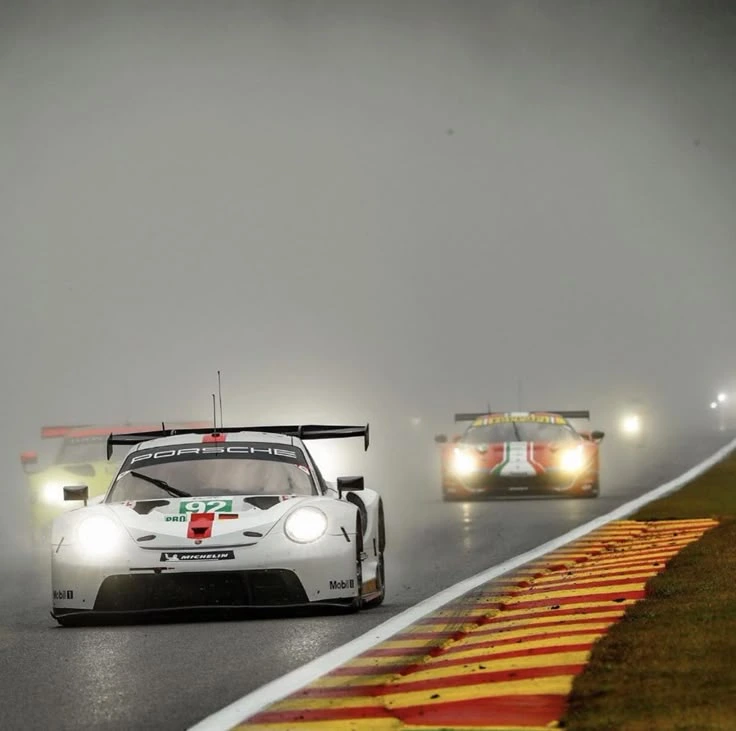
The smell of burning rubber. The deafening roar of engines. The blur of carbon fiber screaming past at 300 kilometers per hour. Welcome to the adrenaline-filled world of motorsports photography.
As a photographer who has spent countless hours kneeling on hot tarmac, getting sprayed with gravel, and waiting for that perfect moment when machine, driver, and light align, I can tell you this: motorsports photography is not about pointing a long lens at a fast car. It is about freezing a fraction of a second that tells a story of human courage, engineering brilliance, and raw emotion.
Whether you are a budding photographer, a racing team looking for branding assets, a Real Estate developer showcasing a luxury garage collection, or an event organizer covering racing Events, understanding the soul of car racing photography will transform your images from simple snapshots into works of art.
Let me take you behind the lens and share what I have learned from the trackside trenches.
Why Motorsports Photography Is Different from Any Other Genre
Before we dive into techniques, let us understand the unique challenges that set motorsports photography apart from wedding shoots or portrait sessions.
The Uncontrollable Environment
Unlike a studio or a posed photoshoot, you cannot ask a race car to slow down or reposition. You are at the mercy of:
- Unpredictable weather (Dubai heat, sudden dust storms)
- Changing light conditions (morning practice vs. floodlit night races)
- Limited access (you shoot from designated spectator or media zones)
The Speed Factor
A Formula 1 car can cover a football field in less than one second. Your reaction time needs to be measured in milliseconds. This is not Sports photography like football where you can anticipate a goal. This is pure, instinctive reaction training.
The Emotional Stakes
Behind every helmet is a human pushing their limits. Behind every pit crew is a team sacrificing sleep for perfection. Capturing that vulnerability amid the aggression is what elevates car racing photography into storytelling.
Essential Gear for Motorsports Photography (You Don’t Need a Fortune)
Let me dispel a myth immediately: you do not need a $10,000 lens to start. What you need is the right strategy for your budget.
Camera Body Priorities
| Feature | Why It Matters for Motorsports |
|---|---|
| Fast Burst Rate (10+ fps) | Captures multiple frames during a passing moment |
| Reliable Autofocus | Tracks cars moving toward or across you |
| Good High-ISO Performance | Night races or indoor karting |
| Dual Card Slots | Backup during irreplaceable Events |
Lens Recommendations by Budget
Beginner (Under $500)
- 70-300mm f/4-5.6 (versatile zoom for track access)
Enthusiast (500−500−1,500)
- 70-200mm f/4 (sharp, fast focus, lighter to carry all day)
Professional ($1,500+)
- 70-200mm f/2.8 (the gold standard for low light and creamy backgrounds)
- 300mm f/2.8 or 400mm f/4 (for distant corners and detail shots)
The One Non-Negotiable Accessory
Ear protection. I learned this the hard way after a 24-hour race left my ears ringing for three days. Modern race cars exceed 130 decibels. Protect your hearing so you can keep shooting for decades.
Mastering the Three Core Techniques of Car Racing Photography
After thousands of frames and hundreds of races, I have distilled motorsports photography into three fundamental techniques. Master these, and you will outperform 90% of amateur shooters.
Panning – The Art of Motion Blur
Panning is the signature technique of car racing photography. You move your camera horizontally to match the car’s speed, keeping the vehicle sharp while the background blurs into silky streaks.
My step-by-step process:
- Find a spot where cars move predictably (a straight or gentle curve)
- Set your camera to Shutter Priority (Tv or S mode)
- Start at 1/125th of a second for practice, then drop to 1/60th or even 1/30th for dramatic effect
- Stand with feet shoulder-width apart, twist at your waist
- Track the car from your peripheral vision before it reaches your frame
- Press the shutter smoothly while continuing the pan through the follow-through
Pro insight from personal experience: Your success rate will be 1 in 10 when you start. Do not get frustrated. After two years of practice, I hit 7 out of 10. The masters of motorsports photography still miss shots. That is the beauty of it.
Freezing the Action – When to Go Fast
Sometimes you want to freeze everything. A wheel lifting off the ground. A shower of sparks from a curb strike. Rain droplets suspended in air.
Settings for freezing:
- Shutter speed: 1/1000th to 1/4000th of a second
- Aperture: f/5.6 to f/8 (gives you depth of field margin for focus errors)
- ISO: Let it rise automatically (modern cameras handle 3200-6400 well)
When to use freezing instead of panning:
- Jump shots (rally cars going airborne)
- Splash shots (cars through puddles)
- Detail shots (suspension compression, brake glow, tire flex)
Finding the Decisive Moment
This is where motorsports photography becomes art. Henri Cartier-Bresson called it “the decisive moment” – that split second where form, light, and meaning converge.
For racing, these moments live in:
- The driver’s eyes during a podium ceremony
- A crew member’s face during a tense pit stop
- Two cars door-to-door entering a corner
- Dust kicking up behind a desert rally car at sunset
My personal memory: At a Dubai Autodrome night race, I noticed a father in the grandstand wiping tears as his son took the checkered flag. The driver never saw it. The broadcast cameras missed it. But my long lens caught the entire novel in one frame. That image now hangs in their family home. That is why I do this.
Beyond the Track – How Motorsports Photography Serves Events and Real Estate
You might be surprised to learn that skills from motorsports photography translate beautifully into other industries Zypix serves.
For Events (Corporate & Private)
High-speed tracking teaches you anticipation – a skill that makes you unstoppable at conferences, galas, and product launches. You learn to:
- Predict where the action will happen next
- Work under unpredictable lighting
- Stay invisible while capturing intimate moments
For Real Estate (Luxury Properties)
Consider this: A penthouse buyer is not just buying square footage. They are buying a lifestyle. And what lifestyle amenity screams success more than a private car collection?
Real Estate photographers trained in motorsports photography can:
- Showcase a garage as a gallery of engineering art
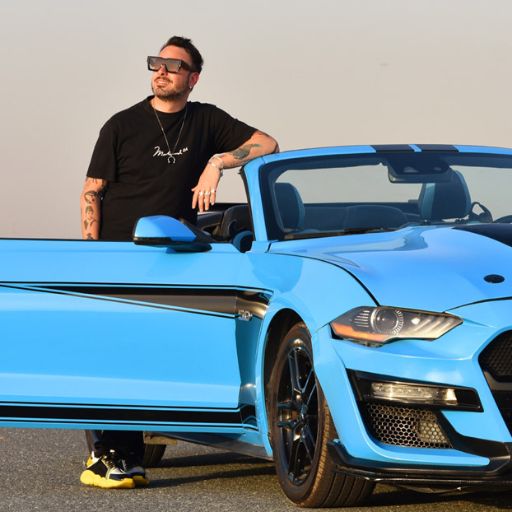
- Capture rolling shots of a property’s driveway with a supercar
- Create cinematic video tours that feel like luxury commercials
At Zypix, we have photographed villas in Emirates Hills where the car collection was worth more than the house. Our racing background gave us the skills to do justice to those machines.
The Business Side – Working with Racing Teams and Venues
If you want to turn motorsports photography into paid work, understand how the industry operates.
Know the Access Tiers
| Tier | Access Level | Who Can Get It |
|---|---|---|
| Spectator | Grandstands only | Anyone with a ticket |
| Media Vest | Track edges, pit lane, podium | Accredited media with insurance |
| Team Credential | Inside garages, team transporters | Team employees or approved contractors |
Tip: Start by covering local club racing or track days. Organizers are often desperate for quality images. Shoot for free, build a portfolio, then negotiate.
What Racing Teams Actually Need
Teams do not buy random action shots. They buy:
- Sponsor proof: Clear images showing sponsor logos for their reports
- Social media content: Vertical video and dramatic stills for Instagram and TikTok
- Driver development: Sequences to analyze racing lines and car behavior
- Merchandise: Paddock shots, helmet-off portraits, celebration images
If you pitch these specific needs instead of “I take nice photos,” you will book paying gigs.
Common Mistakes I See (And How to Avoid Them)
After mentoring dozens of photographers in Dubai, here are the most frequent errors in motorsports photography.
Mistake: Shooting everything at 1/4000th of a second
- Fix: Embrace motion blur. Slower shutter speeds convey speed better than frozen images.
Mistake: Standing in one spot all day
- Fix: Move every hour. Shoot from inside a corner, outside the next corner, the pit lane, the podium. Variety creates a story.
Mistake: Ignoring what is behind the car
- Fix: Look at the background before the car arrives. A sponsor banner cutting through a driver’s face ruins the shot.
Mistake: Forgetting the humans
- Fix: For every 10 car photos, take 1 of a mechanic, a fan, or a driver resting. These become the emotional anchors of your gallery.
Final Thoughts – Why This Craft Matters to Me
I did not fall into motorsports photography by accident. I fell into it because my father raced motorcycles. As a child, I watched him disappear into corners, and I remember the terror and pride mingling in my mother’s eyes. When I finally picked up a camera, I realized I had been searching for a way to freeze those moments of beautiful danger.
Every time I photograph a race now, I think about the families in the grandstands. The mechanics who have not slept. The drivers who have sacrificed everything for one perfect lap.
Car racing photography is not about gear or settings. It is about bearing witness to human beings at their most alive.
And if you ever need a photographer in Dubai who understands that – whether for racing Events, Sports branding, or a Real Estate project featuring an enviable garage – you know where to find us.
Ready to Capture Your Own High-Octane Moments?
At Zypix Photography, we bring the same intensity, preparation, and storytelling heart to every shoot – whether we are trackside at the Dubai Autodrome, covering a corporate gala, or photographing a penthouse with a view of the Marina.
Do not let your moments blur into memory. Let us freeze them into art.